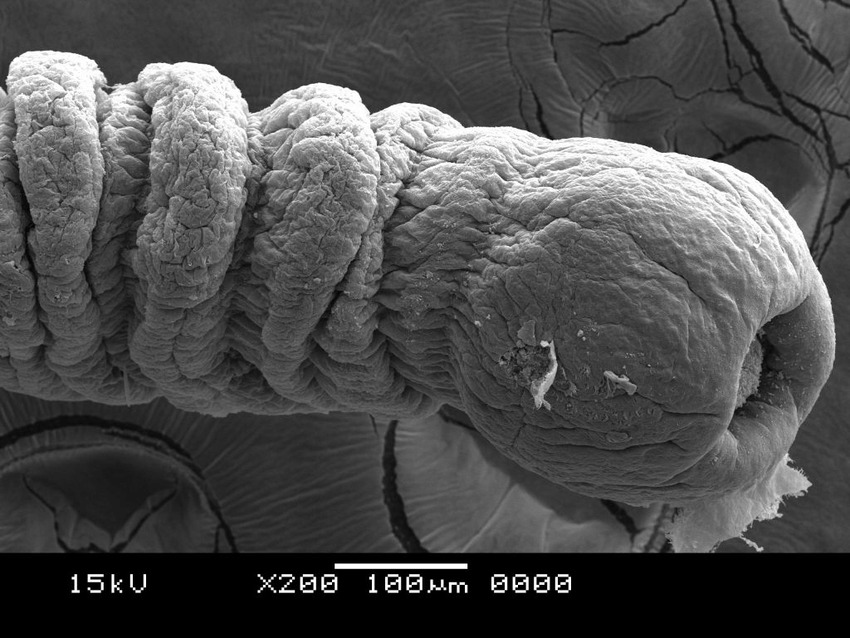
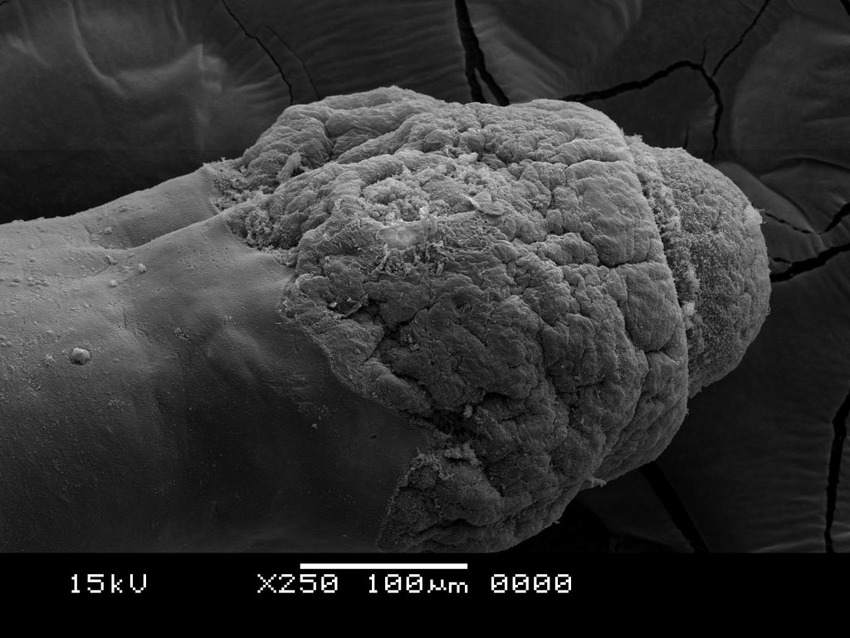
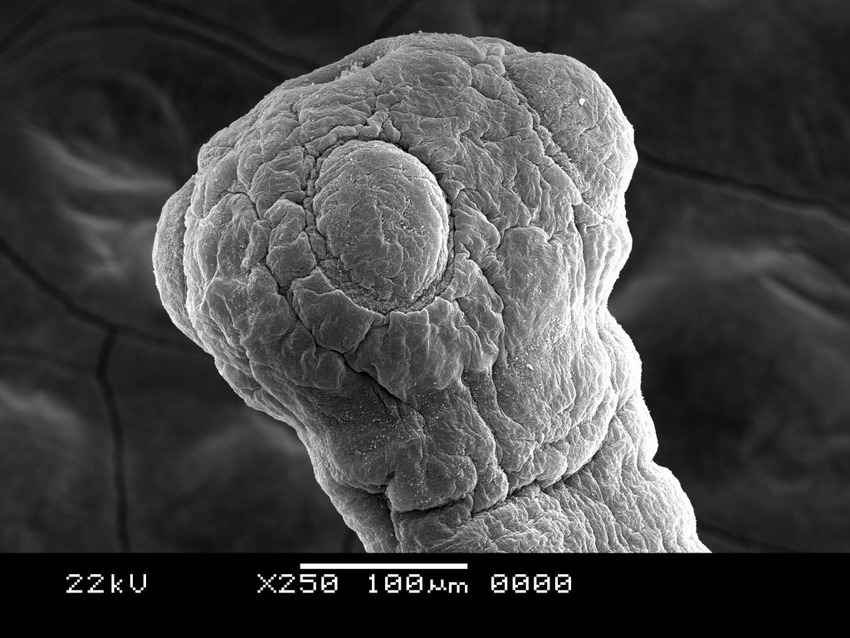
The project is aimed to solve the problem of the formation of microbial communities with different site association (digestive tract, gills, nasal cavities, skin surface) in closely related forms/species of fish that have independently passed the recent stage of ecological diversification and have different feeding habits and level of ecto- and endoparasite infestations. The project will test the hypothesis that the food specialization of fish determines the structure of microbial communities due to (1) differences in the composition of food items consumed, (2) preferable zones in water bodies (benthal, pelagial) for fish during feeding, (3) infestation by various groups of parasites. Since all the studied fish complexes have a similar ecological structure for all the above-mentioned features, we assume that the features of the formation of microbial communities will have a parallel nature and be characterized by convergent similarity. This hypothesis will be tested on microbial communities of model sympatric forms/species of whitefish Coregonus lavaretus pidschian and C. l. pravdinellus from Lake Teletskoye (Altai Republic) and C. l. baunti sp. nova and C. l. pidschian from Lake Baunt (Republic of Buryatia). Despite the fact that both lakes are mountainous, oligotrophic water bodies, Lake Teletskoye has a depth of more than 300 m, while the depth of Lake Baunt does not exceed 33 meters. Preliminary studies showed that whitefish in Lake Teletskoye are caught at least to a depth of 70 meters, which assumes more contrasting conditions for their preferable zones in water bodies (benthal, pelagial) compared to whitefish from Lake Baunt. The main prepositions for testing of our hypothesis are the following: 1) different food items have different biochemical composition, which contributes to the formation of the internal environment of the digestive tract, which in turn affects the structure of the microbial community; 2) different feeding habits imply various association of fish with places where their food items (benthal and pelagial) accumulate, that are contrastingly differing in a complex of abiotic and biotic features (illumination, temperature and gas conditions, biochemical composition, etc.), which will also determine the structure of microbial communities of the corresponding groups of fish; 3) divergence in terms of feeding habits and preferred zones (benthal and pelagial) in lake will be reflected in the level and nature of infestation of sympatrically living forms/species by various groups of ecto- and endoparasites. Parasites in the course of their life activity are able to create a contrast specific microenvironment due to the secretion of excretory-secretory products of various chemical composition, the specific environment, in turn, can be colonized by a microbiota that is different from the typical microbiota of the host.